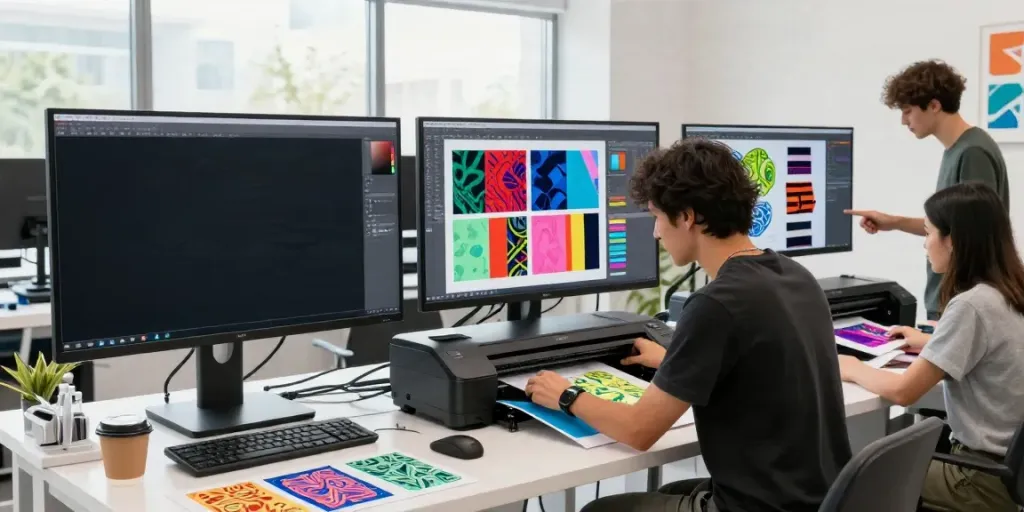
Understanding T-Shirt Printing Technologies
The landscape of custom apparel has evolved significantly, offering businesses a variety of technologies to choose from when selecting their impresora de camisetas. Each method presents unique advantages, suited to distinct business needs and printing styles. As the demand for personalized products continues to rise, understanding these technologies is crucial for any entrepreneur looking to maximize their operational efficiency and creative output.
Overview of Direct-to-Garment (DTG) Printing
Direct-to-Garment (DTG) printing is a method that allows complex designs to be printed directly onto the fabric using inkjet technology. This technique is particularly efficient for small batches and detailed prints. Key benefits include:
- High Quality: DTG printers produce vibrant colors and intricate details, making them ideal for complex designs.
- No Minimum Orders: Small businesses can take advantage of this method since it requires no minimum order quantities.
- Quick Turnaround: Ideal for businesses that need to fulfill small, urgent orders without long wait times.
However, DTG printing can be costlier per unit for lower quantities, which might impact profitability for larger businesses or bulk orders.
Exploring Direct-to-Film (DTF) Process
DTF printing is a newer technology that involves printing designs onto a special film, which is then transferred onto the garment using heat. The advantages of DTF printing include:
- Versatility: DTF can be used on various fabrics, including cotton, polyester, and blends.
- Durability: The prints are typically more durable than DTG because the inks penetrate deeply into the fabric.
- Cost-Effective for Bulk Production: DTF printing reduces costs on larger runs, making it suitable for businesses with significant production needs.
Despite its benefits, the initial setup costs and required workflow adjustments can be daunting for some businesses.
Comparative Advantages of Sublimation Printers
Sublimation printing stands out for its unique ability to create long-lasting, vibrant designs that are embedded into the fabric rather than just sitting on top. This method is especially effective for polyester and polymer-coated materials, offering distinct advantages such as:
- Exceptional Color Accuracy: Sublimation inks turn into gas, allowing the dye to infuse into the fabric, resulting in rich and brilliant colors.
- Soft Feel: The printed areas remain soft and flexible, unlike some other methods that create a stiff texture.
- Low Waste: Sublimation is a waste-efficient process, as it typically only requires the exact amount of ink needed for the design.
However, sublimation is not suitable for dark fabrics, which can limit its application for certain designs.
Choosing the Right Impresora de Camisetas
When selecting the right printer for your t-shirt business, several critical factors should influence your decision. Understanding your production volume, design complexity, and budget will guide you toward the best choice.
Key Features to Look For
- Print Quality: Look for printers with high resolution capabilities to ensure your designs come out clear and crisp.
- Speed: Evaluate the printing speed to keep up with demand, especially during peak seasons.
- Ease of Use: User-friendly interfaces and software are crucial for efficient operation, especially in fast-paced environments.
- Maintenance Requirements: Routine maintenance needs can impact downtime; choose a printer that fits your operational capacity.
Evaluating Cost vs. Quality
Investing in a t-shirt printing machine involves weighing the upfront costs against the quality of output and operational efficiencies it brings to your business. Some key points to consider include:
- Initial Investment: Higher quality printers typically come with a higher price tag, but they may save you money in the long run with less maintenance and reduced ink costs.
- Cost per Print: Analyze the cost-effectiveness of the inks and materials needed for each type of printing technology.
- Potential Return on Investment (ROI): Assess how quickly the printer can help you meet market demand and multiply your profits.
Understanding Production Needs for Small Businesses
Small businesses should clearly define their production requirements, including expected volume, turnaround time, and customization levels. Consider the following:
- Order Volume: If you expect high volume, printers with faster print speeds and lower ink costs will be crucial.
- Design Complexity: For intricate designs, prioritize printers that excel in detail and color accuracy.
- Scalability: Choose printers that allow your operations to scale as your business grows.
Best Practices for Custom T-Shirt Production
Producing custom t-shirts that stand out in a crowded marketplace requires attention to detail and adherence to best practices. By ensuring quality and efficiency, you can better satisfy customer demands.
Design Considerations for Vibrant Prints
When creating designs, consider the following guidelines to enhance the vibrancy and appeal of your prints:
- Color Profiles: Use RGB color profiles during design but convert to CMYK before printing for optimal color accuracy.
- High-Resolution Images: Ensure all images used in designs are of high resolution to prevent pixelation.
- Choosing the Right Fabric: Different fabrics react differently to printing techniques; select materials that best showcase your designs.
How to Maintain Quality Control
Implementing quality control measures throughout the production process is essential to ensure consistent results. Strategies include:
- Regular Printer Maintenance: Schedule routine checks and maintenance to keep printers in optimal condition.
- Sample Prints: Always run sample prints before large batches to check quality and accuracy.
- Feedback Loops: Solicit feedback from customers post-purchase to refine processes.
Ways to Optimize Workflow Efficiency
Streamlining your workflow can significantly reduce production times and enhance output quality. Consider these efficiency strategies:
- Automation: Invest in software solutions that automate repetitive tasks in design preparation and order processing.
- Organized Workstations: Ensure that workspaces are organized and equipped with necessary tools to minimize downtime.
- Training Staff: Equip your team with the skills to use the printers and software effectively, reducing errors and improving productivity.
Case Studies: Successful Businesses Leveraging Sublimation Printing
Several businesses have established themselves in the custom apparel market by effectively utilizing sublimation printing technology. Examining their strategies can provide valuable insights.
Innovative Startups Making a Mark
Startups like Custom Ink and Printful have created successful business models around custom apparel by leveraging high-performance sublimation printers. Their focus on quality and customer satisfaction has set them apart in the competitive landscape.
Real-World Examples of Effective Brand Strategies
Brands utilizing sublimation have successfully engaged customers through personalized design options. For instance, local sports leagues and schools can easily create customized merchandise for fundraising or spirit wear, enhancing community engagement while generating revenue.
Lessons Learned from Industry Leaders
Industry giants like Nike and Adidas also employ sublimation printing to produce eye-catching, vibrant sportswear. Their success exemplifies the importance of innovation in product offerings and the ability to adapt to consumer preferences quickly.
Future Trends in T-Shirt Printing
The t-shirt printing industry is poised for continuous evolution, with emerging trends shaping the future landscape of custom apparel production.
Emerging Technologies and Innovations for 2026
As we move into 2026, advancements in technology such as AI-driven design software and eco-friendly inks are becoming more prominent. These trends will likely offer opportunities for businesses to enhance productivity and sustainability.
Adapting to Consumer Demands for Customization
With consumers increasingly seeking unique and personalized products, businesses must upgrade their capabilities for customization while maintaining high quality. Flexibility in production will be essential.
Eco-Friendly Practices in Textile Printing
As environmental concerns rise, more companies are exploring sustainable printing techniques. The adoption of eco-friendly inks and processes will become crucial for business practices aiming to align with consumer values.